


Sofiane Zemmouche
Owner & Master Diagnostic Specialist
There is a particular moment when a dashboard light comes on and you immediately start wondering how expensive it is going to be. Sometimes the car feels completely normal. It starts. It drives. Nothing sounds strange. Yet there is that little light sitting on the dashboard, making it hard to forget that something has changed. The problem is that the light itself does not explain the whole situation.
That is where car diagnostics come in.
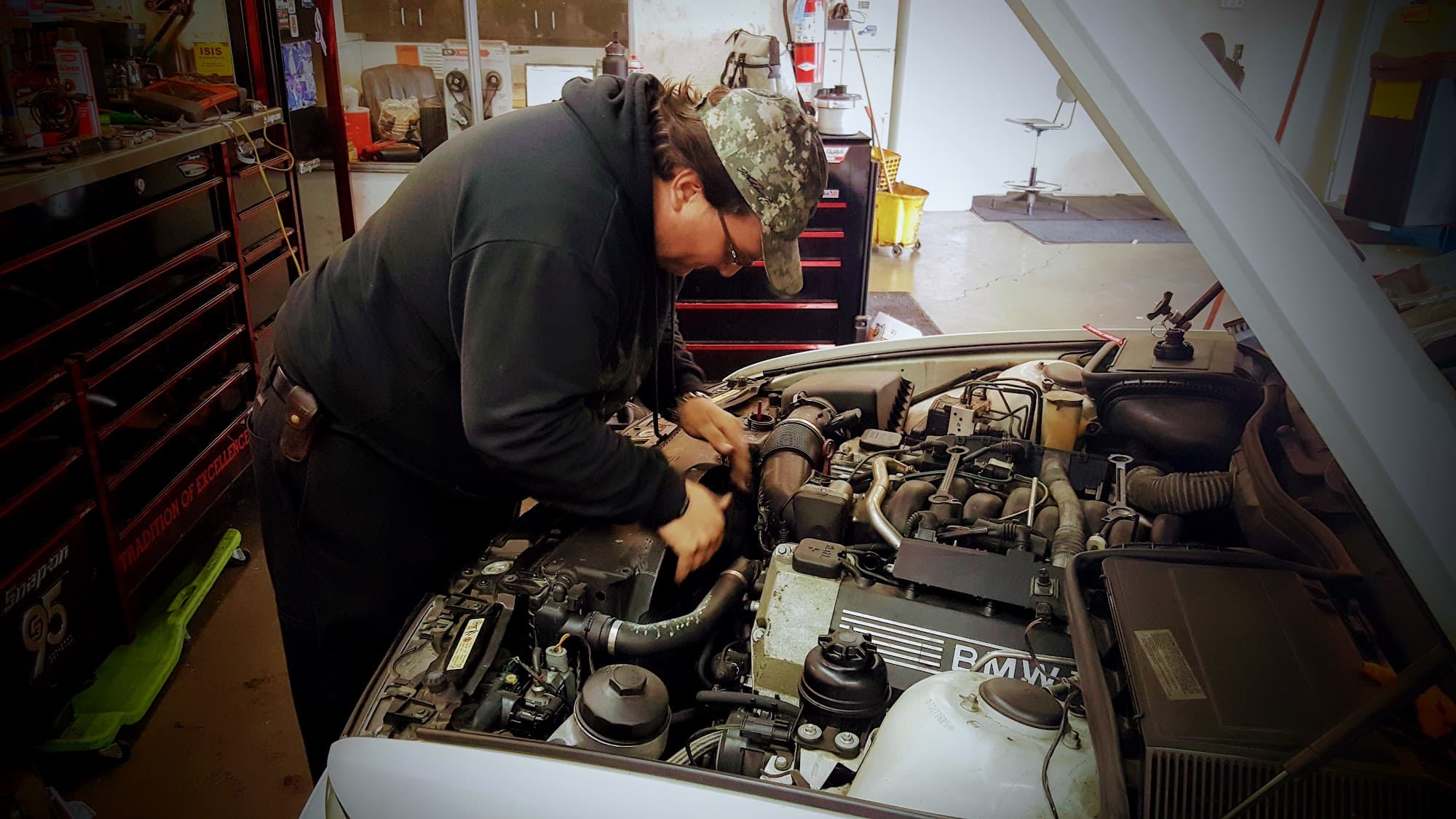
At Tri-Valley Automotive in Dublin, CA, computer diagnostics are a central part of the work the shop does. Founded by Sofiane Zemmouche, the business has more than 18 years of experience working with European, Japanese and Domestic vehicles. The first step is finding out what the vehicle is actually reporting rather than guessing at the repair.
A Dashboard Light Can Mean More Than One Thing
Cars have become increasingly dependent on computers and electronic systems. The vehicle monitors different components while it is running. When something falls outside the expected range, a warning can appear. That information is helpful. It does not necessarily mean that the part most closely associated with the warning is automatically the part that needs replacing. There is still some investigation involved. A driver might search for car diagnostics in Dublin because the check engine light has appeared. What happens next should be more than simply reading a code and handing over a repair estimate. The code is a clue.
The Car Might Not Feel Any Different
This is where people often put off getting a vehicle checked. If the car is still driving normally, there is an understandable temptation to leave the warning alone for a few days. The trouble is that a vehicle can report a problem before the driver notices a change behind the wheel. There may be no strange noise. No obvious loss of power. Nothing dramatic at all. That does not tell you what caused the warning. Getting the vehicle checked gives the owner more information. It may turn out to be something that needs immediate attention, or it may reveal an issue that should be monitored or repaired.
Experience With Different Makes Matters
Tri-Valley Automotive does not work with just one category of vehicle. Sofiane Zemmouche has more than 18 years of specialized experience with European, Japanese and Domestic vehicles. That range is part of the shop's background and is particularly relevant when the job involves computer diagnostics. Different vehicles have different systems. A driver with a European car may specifically be searching for European auto repair in Dublin, CA. Someone else may own a Japanese or Domestic vehicle and have an entirely different diagnostic question.
What The Customer Wants To Know
Most drivers are not looking for a lecture about computer systems. They want answers. What is wrong with the car? Does it need to be repaired now? What happens if it is left alone? What exactly is being replaced? Those are reasonable questions. Tri-Valley Automotive places an emphasis on honest recommendations and direct owner accountability. Customers can speak directly with the experts working on their vehicles, rather than having the entire conversation filtered through layers of people. That is part of the reason the shop was established in the first place.
A Warning Is A Reason To Check, Not A Reason To Panic
A dashboard light can be annoying. It can also be useful. It has caught your attention for a reason, even if the car seems completely fine at the moment. Getting the vehicle checked gives you a better idea of whether the issue needs immediate repair or simply further attention. That is the approach behind Tri-Valley Automotive in Dublin, California. The shop combines computer diagnostics with repair experience across European, Japanese and Domestic vehicles. Customers can talk directly with the people working on their cars, receive recommendations based on the findings and have the repair carried out using OEM parts quality. So when that light comes on, the first question does not have to be, "How much is this going to cost?" It can simply be, "What is the car trying to tell me?" That is what a proper diagnostic process is there to find out.
Topics